Fine Line Tattoos in Beaumont, TX
Fine line is delicate, single-needle work — thin, continuous lines that read light and precise on the skin.
What fine line means in my chair
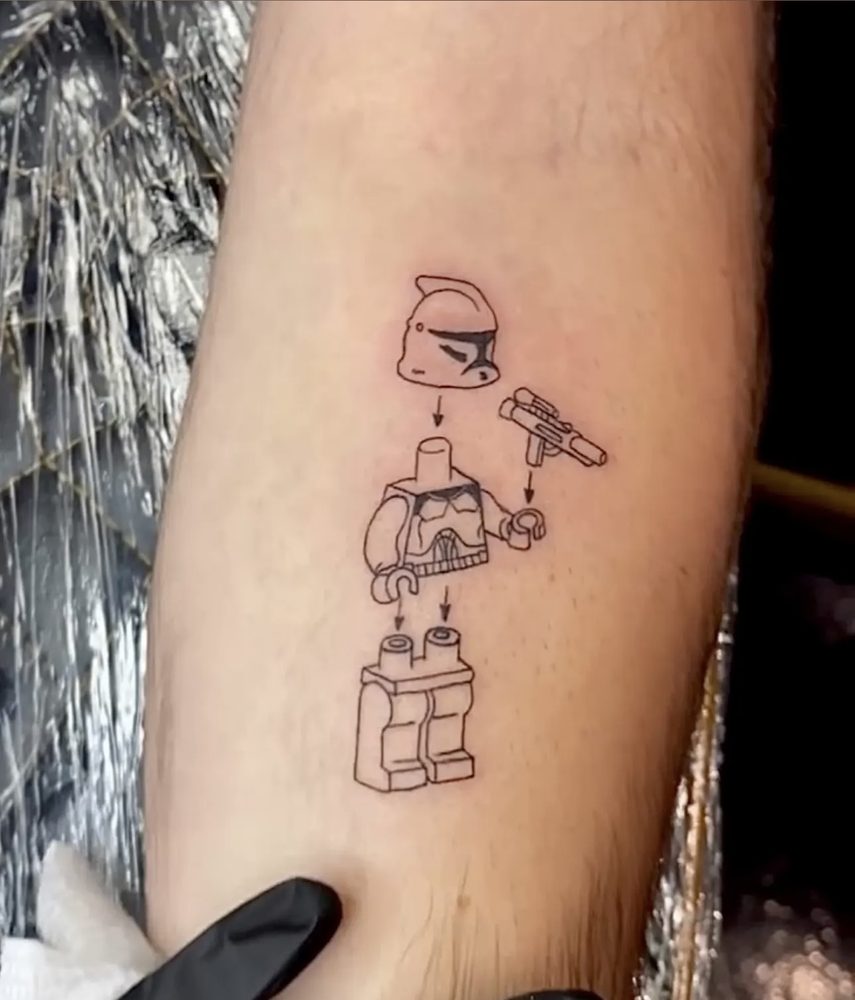
Fine line uses a very small needle grouping to lay down thin, even lines with little or no heavy shading. It reads minimal and quiet: delicate botanicals, small symbolic pieces, script, light ornamental work. Done right it looks effortless, but it's exacting — a fine line is unforgiving, so the drawing and a steady, consistent hand are the whole game.
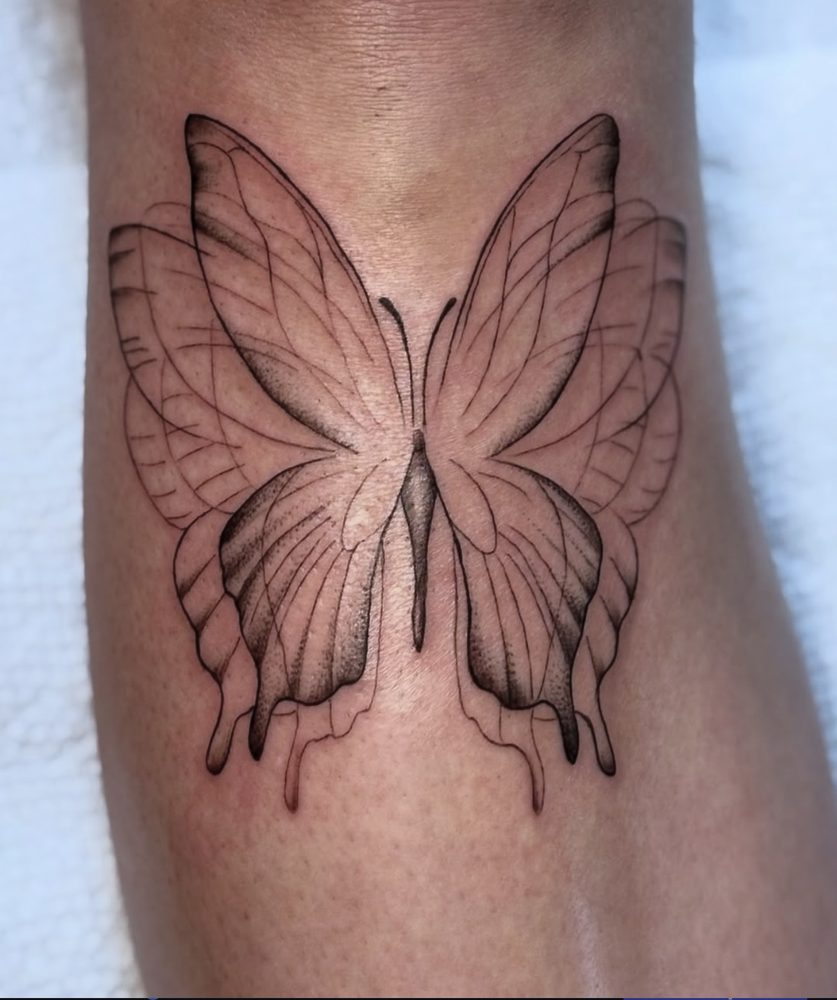
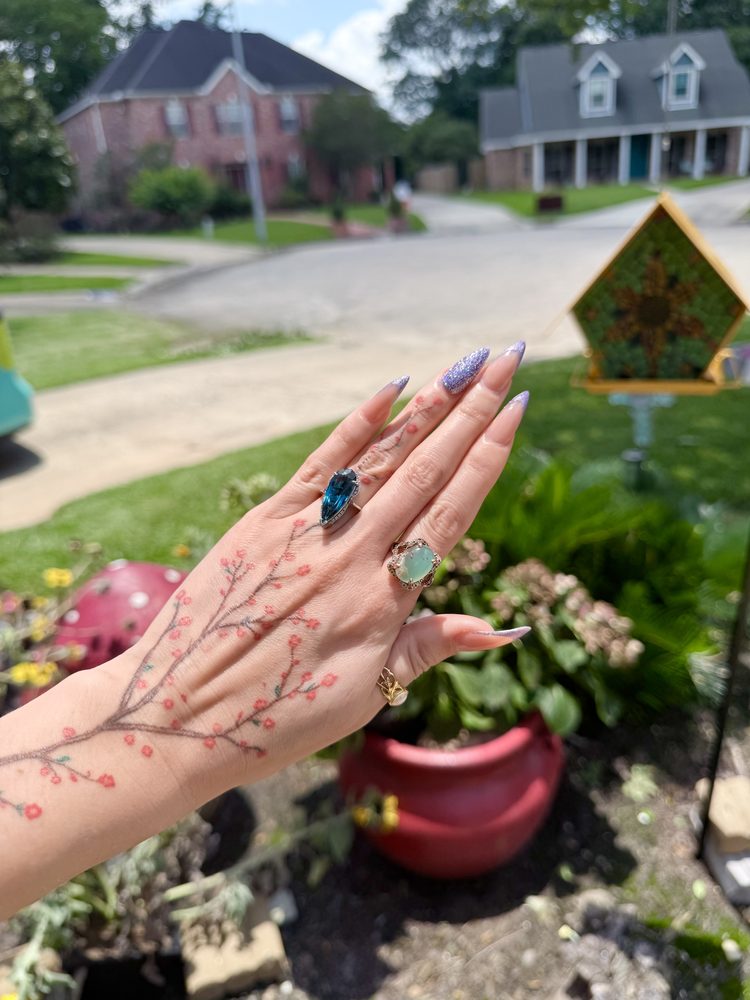
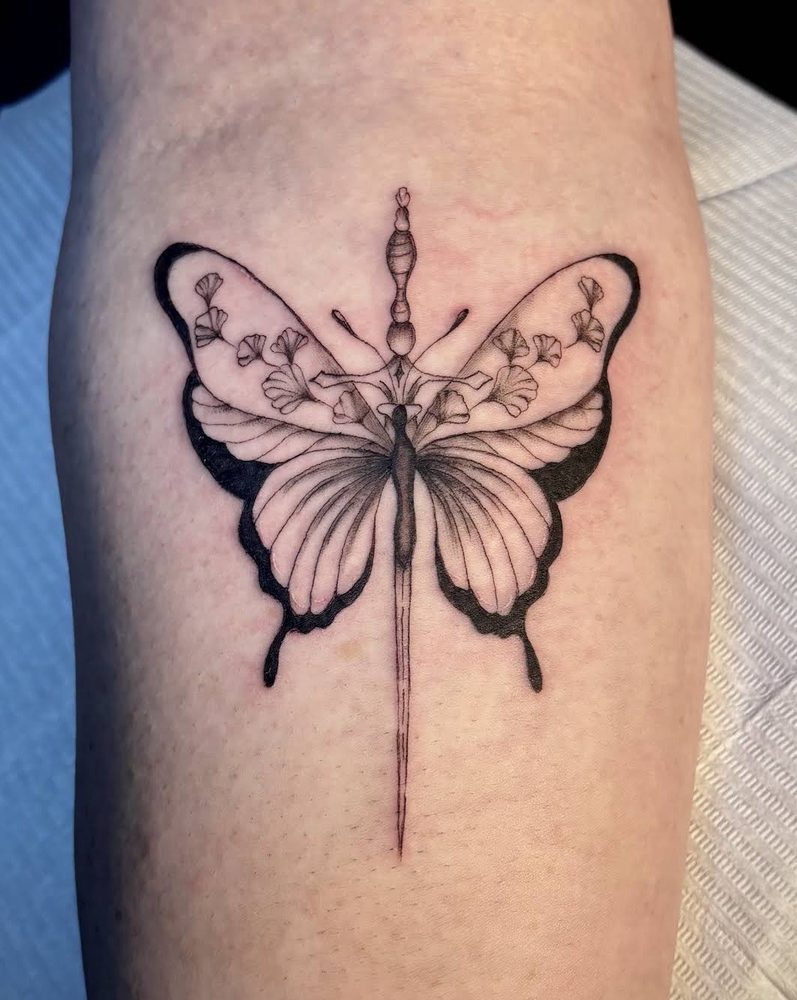
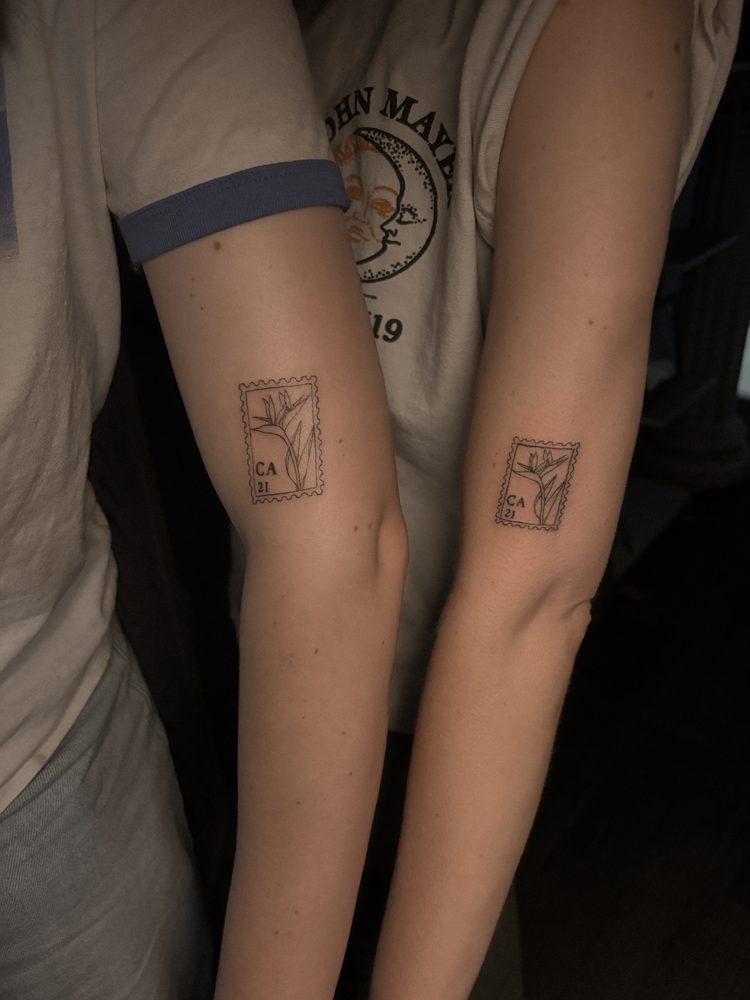
I come at fine line the same way I come at my neo-traditional and Japanese work: it's drawn custom for you and built to fit the spot it lives on. You can see it in the pieces below — the single-needle butterflies, the cherry blossoms trailing across a hand, the matching bird-of-paradise stamps. Fine line takes the same precision as my bolder work and strips it back to its lightest form.
How fine line ages — and why touch-ups are part of it
This is the honest part, and it's specific to the style. Because the lines are so thin, they carry less ink than bold work, so fine line can soften, spread a little, or lighten faster over the years — and where it lives matters as much as how it's done. Hands, fingers, feet, and the inner wrist take constant wear and are the hardest places to keep delicate lines crisp. Sun is the other big one; in the Gulf Coast sun especially, an unprotected fine-line piece will lighten sooner.
None of that means fine line is fragile or a bad idea — it means going in with clear eyes. A fine-line piece is more likely than a bold one to want a touch-up somewhere down the road, and that's routine, not a failure. If a design is too delicate for the spot you want, or too small to hold its detail, I'll tell you at the consultation and we'll adjust it so it still looks good in ten years, not just ten days.
Every piece is drawn for you
You bring the idea and any references, we talk it through, and I draw it to fit your body and your spot before your appointment. Whether it's a fully custom piece or one of my available designs, nothing gets repeated — once it's on your skin it's yours alone. With fine line that planning matters even more, because sizing and placement are what decide whether the piece lasts.
What moves the price
- Size and detail. Fine line looks simple, but tight, intricate linework is slow, careful work — more detail means more time in the chair.
- Placement. Some spots hold delicate lines well; others need the design adjusted to last, which changes the approach.
- One piece or a set. A single small design is different from planning a larger delicate composition across a session.
I don't quote a price off a photo. We'll land on it together at your free consultation, once we know the design, size, and placement.
Recent fine line work
Fine line questions
Does fine line fade faster than other tattoos?
Thinner lines hold less ink, so fine line can soften or lighten sooner than bold work, especially on sun-exposed or high-friction spots. Good aftercare and sun protection slow that down, and a light touch-up can refresh it later.
Will my fine line tattoo need a touch-up?
Maybe, and that's normal for the style. Some fine-line pieces settle perfectly; others want a small touch-up after healing or a few years on. I'll tell you honestly what to expect for your design and placement.
Can you do fine line on hands, fingers, or feet?
Case by case. Those areas take a lot of wear and don't hold delicate lines as well, so fine detail there tends to blur over time. Sometimes I'll suggest adjusting the design so it actually lasts.
How small can the detail go?
There's a limit. Below a certain size, lines that sit close together blur into each other as the tattoo heals and ages. At the consultation I'll size the design so it still reads clearly years from now.
Is fine line a good first tattoo?
Often, yes — it's a lighter, subtler place to start. The main things are picking a spot that holds the style well and keeping the design simple enough to age gracefully.